
PROGRAMS
For Your School or Organization
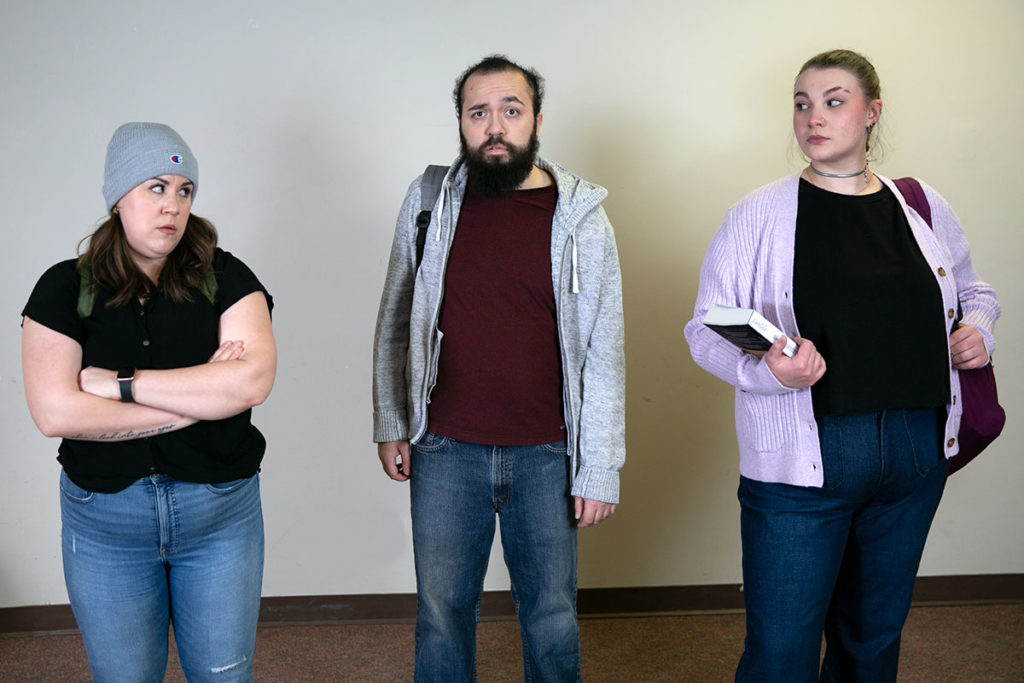
RESPECT programs consist of educational theatre presentations paired with panel or group interactions led by community professionals and our actor-educators.
Programs are available in person as well as virtually. Virtual performances are fully interactive and work the same way as our in-person offerings using your preferred video-conferencing platform.
Contact us at info@respect2all.org or 402-965-1425 to discuss which method is right for you.
Programs By Grade

Preschool &
|

ELEMENTARY
|

Middle
|

High School |

College |

customized WorkShops |
This program focuses on identifying emotions, respecting diversity, and treating others kindly. Students will learn the skills to make friends and how to “stop and think.”
Intended Audience: Pre-K & Kindergarten
PROGRAM TIME: 30 MIN
Learn More
Stop & Think and Fun & Games are offered in alternating years. These programs focus on the identification of many bullying behaviors and prevention techniques.
Intended Audience: Grades K-3
PROGRAM TIME: 60 MIN
Learn More
In this play updated in 2022, an alien named Bub helps children learn about and distinguish between healthy and unhealthy touch.
Intended Audience: Grades K-3
PROGRAM TIME: 60 MIN
Learn More
Join history buff Booker and his Minecraft obsessed cousin Sophie, as they embark on a quest to learn more about the Lewis and Clark expedition - and cyberspace, too! With the unexpected help of Louise, an experienced explorer, they learn to navigate the hidden dangers in cyberspace, especially information privacy breaches and inappropriate content.
Intended Audience: Grades 1-3
PROGRAM TIME: 60 MIN
Learn More
While completing online research for a school project on famous explorers, Kiara and Inez encounter - and learn to navigate - several online dangers including cyberbullying and inappropriate messaging. And along the way they get help from one of the most famous explorers in history, Marco Polo himself!
Intended Audience: Grades 4-6
PROGRAM TIME: 60 MIN
Learn More
Between the Lines and Teaming Up are offered in alternating years. These programs address multiple forms of bullying – verbal, physical, social, and cyber.
Intended Audience: Grades 4-6
PROGRAM TIME: 60 MIN
Learn More

RESPECT offers additional customized workshops or series for elementary students.
- Jump Into Action
- Direct with RESPECT
- Artist in Residence
- Hold That Thought
Visit Our Customized Workshops Page To Learn More
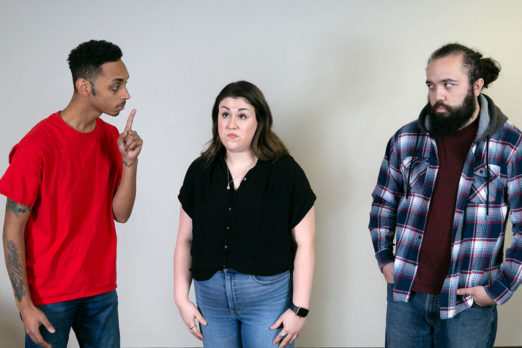
Three best friends and middle schoolers—Nia, Jamal and Bruno—attempt to deal with the Covid 19 restrictions with varying results.
Intended Audience: Grades 4-6
PROGRAM TIME: 60-75 MIN
Learn More
As a response to current events, Coping in Crisis was developed to address the challenging circumstances students are currently facing.
Intended Audience: Middle School
PROGRAM TIME: 60-75 MIN
Learn More
Developed at the request of students, this program focuses on social bullying, the bullying that can occur within friendships or when relationships are used to hurt other people.
Intended Audience: Middle School
PROGRAM TIME: 60 MIN
Learn More
A menu program developed to cater to the specific needs of an individual school or organization, this program focuses on teen social issues, mental health, and negative and positive peer pressure.
Intended Audience: Middle School
PROGRAM TIME: 60-75 MIN
Learn More

RESPECT offers additional customized workshops or series for Middle School students.
- Staging Conversations
- Artist in Residence
- Hold That Thought
Visit Our Customized Workshops Page To Learn More
Ripped from the headlines, Headlines of Hate, is based on actual bullying events. Each of the characters living in New Jersey, Missouri and Oregon, face identity-based bullying and discrimination at their school.
Intended Audience: High School
PROGRAM TIME: 60-75 MIN
Learn More
This program addresses bullying that uses gay slurs to hurt others regardless of whether they identify as LGBTQ.
Intended Audience: High School
PROGRAM TIME: 60-75 MIN
Learn More
Reporting depicts scenes featuring several different high school students experiencing the four different types of bullying - physical, verbal, social and cyber- and shows the devastating effects bullying can have on those targeted, on those who are bystanders, and even on the broader school and local community.
Intended Audience: High School
PROGRAM TIME: 60-75 MIN
Learn More
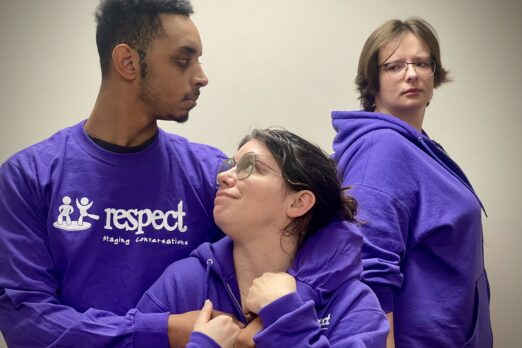
This program focuses on teen dating violence. Students will learn how to identify warning signs of abusive relationships, including those characterizing teen dating violence, and how to use local resources to help themselves or their peers.
Intended Audience: High School
PROGRAM TIME: 60-75 MIN
Learn More

RESPECT offers additional customized workshops or series for High School students.
- Staging Conversations
- Artist in Residence
Visit Our Customized Workshops Page To Learn More
This program focuses on dating violence on college campuses.
Intended Audience: College Students, RA’s and Staff
PROGRAM TIME: 60-75 MIN
Learn More

RESPECT offers additional customized workshops or series for College students.
- Staging Conversations